


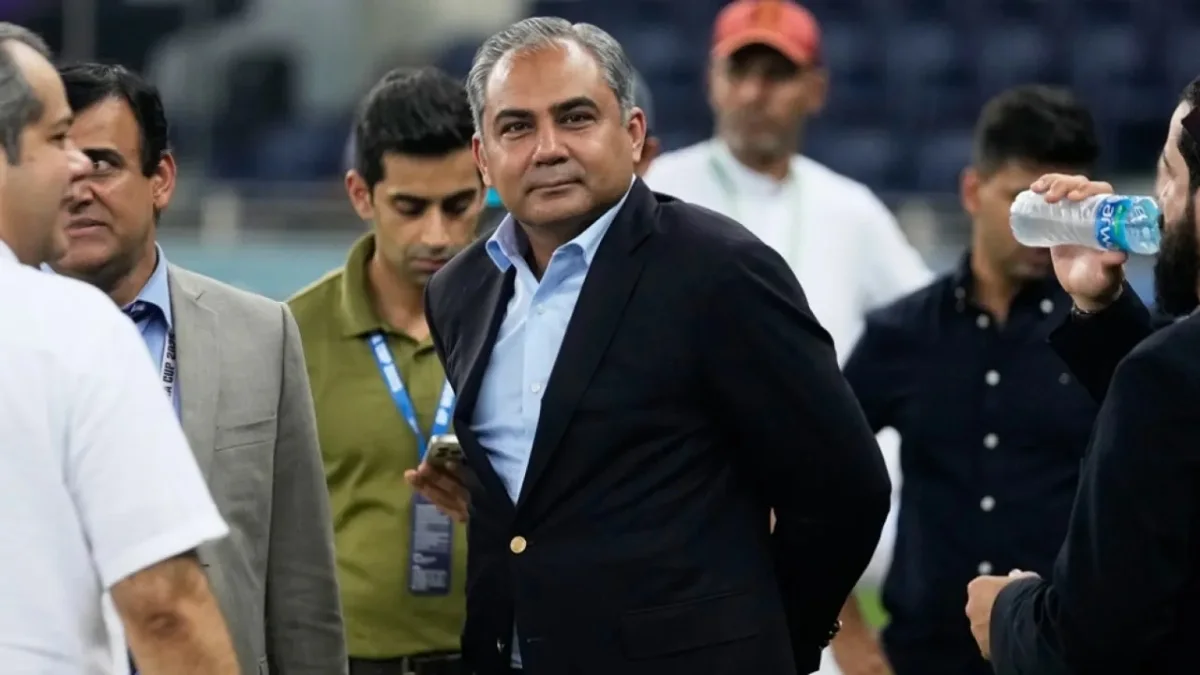
The controversy surrounding India’s Asia Cup triumph refuses to die down. Mohsin Naqvi, the president of the Asian Cricket Council (ACC), has reiterated his stance that India will only receive the Asia Cup trophy if the team accepts it from him personally.
In a strong statement posted on X, Naqvi made it clear that the ACC sees no reason to alter its position following the dramatic scenes after Sunday’s final.
“As ACC President, I was ready to hand over the trophy that very day and I am still ready now,” Naqvi wrote. “If they truly want it, they are welcome to come to the ACC office and collect it from me.”
No Resolution After ACC Meeting in Dubai
Naqvi’s comments came a day after he chaired an ACC meeting in Dubai on Tuesday. Officials from the Board of Control for Cricket in India (BCCI) — vice-president Rajeev Shukla and former treasurer Ashish Shelar — attended the meeting virtually.
According to sources, the meeting ended without a clear resolution on whether India would be formally presented with the Asia Cup trophy and winners’ medals. The lack of clarity has only added fuel to an already sensitive issue involving two rival boards and a politically charged tournament.
What Happened During the Asia Cup Final Presentation?
The tension spilled into public view immediately after India’s dramatic final victory over Pakistan. When Naqvi, who also serves as PCB chairman and Pakistan’s interior minister, stepped onto the podium to present the trophy, the Indian team refused to accept it from him.
The resulting standoff delayed the presentation ceremony by over an hour. Eventually, individual awards were handed out by other dignitaries on stage. Tilak Varma, Kuldeep Yadav and Abhishek Sharma collected their honours, but the main trophy was quietly carried away by an ACC official.
India celebrated their ninth Asia Cup title on stage — without the trophy and without medals — an unprecedented sight in modern international cricket.
India–Pakistan Tensions Shadow the Asia Cup
The trophy dispute was the culmination of a fraught India–Pakistan relationship throughout the tournament. India declined to shake hands with Pakistan players before or after matches, a stance publicly criticised by Pakistan captain Salman Ali Agha.
Off-field tensions soon spilled on to the field. After the first India–Pakistan match on September 14, India captain Suryakumar Yadav was fined and charged by the ICC for comments made post-match. A week later, Pakistan pacer Haris Rauf received a similar fine for gestures directed at the crowd.
The rivalry narrative intensified further when Suryakumar suggested that India’s dominant record over Pakistan meant it was “not a rivalry anymore” — remarks that drew sharp reactions across the border.
A Historic Final Adds More Weight to the Dispute
All of this unfolded against the backdrop of history. The final was the first-ever India–Pakistan clash in an Asia Cup final, and it delivered high drama on the field. India edged past Pakistan in a thriller, making the unresolved trophy presentation even more striking.
Instead of the usual celebratory images of captains lifting silverware, the night ended with unanswered questions, diplomatic silence and a governing body unwilling to budge.
What Happens Next?
For now, the Asia Cup trophy remains with the ACC, and Naqvi has made it clear that the door is open — but only on his terms. Whether the BCCI and the Indian team choose to engage further remains to be seen.
Meanwhile, the rivalry moves on. After three consecutive India–Pakistan men’s matches on successive Sundays, attention now shifts to the women’s game. The two sides are set to meet in the ongoing Women’s ODI World Cup in Colombo on October 5 — a reminder that while administrators argue, cricket between the two nations continues to command the spotlight.
Get the Latest Cricket Updates at The100Sports.News. Also, Follow Our Social Media for live updates on Facebook and Instagram.
